Pet-Friendly Play Mat Comparison: Safest Picks for Pets & Babies
25th May•14 min read
Choosing the right hardwood floor play mat requires weighing material science, floor mechanics, and honest performance data, not marketing claims. Since hardwood floors introduce unique challenges (slipping, scratching, sound transfer), a play mat for hardwood floors must solve those specific problems while meeting your family's safety and design priorities. Below, I've organized the essential questions parents ask, grounded in testing feedback and material transparency.
Hardwood is slippery. When a mat sits on a polished or semi-gloss finish, gravity and a crawling baby's weight don't guarantee grip. The solution involves either the mat's underside or a hybrid friction system. For floor-specific recommendations and testing insights, see our hardwood and carpet compatibility guide.
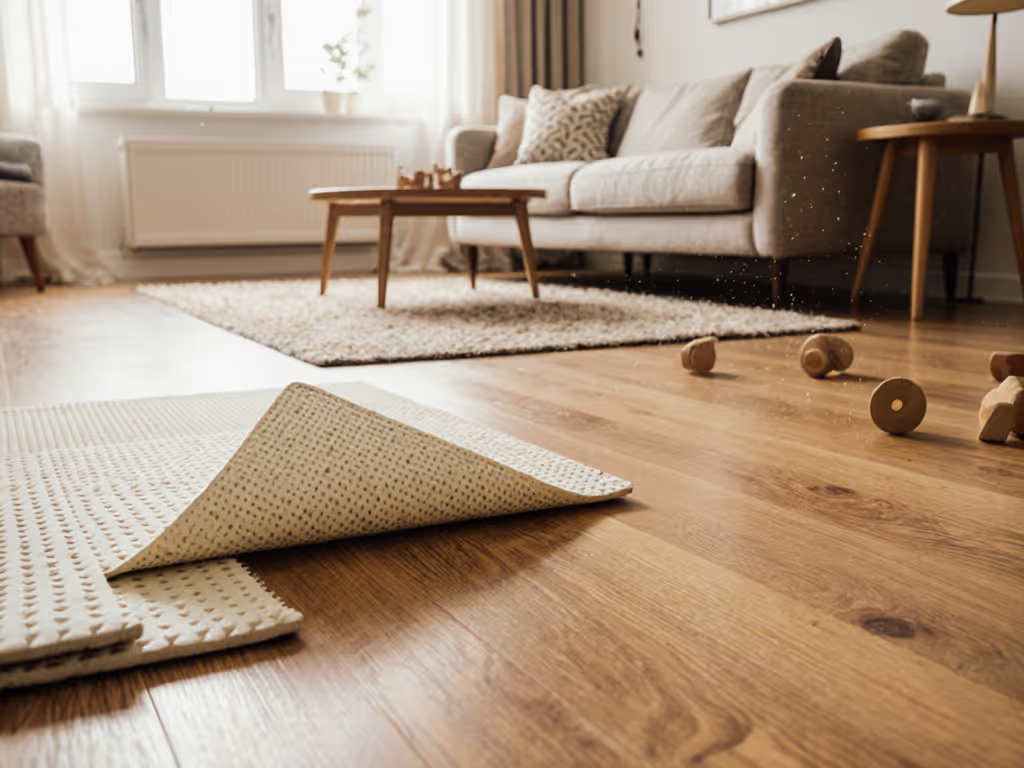
Surface-side non-slip: Textured finishes (think embossed patterns or orange-peel surfaces) increase friction between the mat and baby's skin or clothes. One tested foam mat line uses a raised, bumpy underside that grips hardwood mechanically; this is passive friction. When tested on both hardwood and carpet, users reported no sliding even during active rolling.
Underside solutions: Some premium mats feature rubberized or TPU (thermoplastic polyurethane) backing layers specifically designed to grip sealed hardwood without adhesive residue. These don't leave marks or buildup (a critical detail if you're renting). Rubber-and-PVC tiles (sometimes called CushionTred or StayLock systems) lock together and resist skidding on hardwood because of their inherent material weight and surface texture.
The underrated factor: Mat thickness matters. A thick, dense foam or memory foam mat (roughly half an inch or more) has enough mass that it doesn't shift easily under a crawling infant. Thinner puzzle mats or basic foam sheets move more readily.
Transparency is a feature. Confirm with sellers whether a mat has been tested on hardwood specifically, and ask for non-slip test results or video demos.
This is a trade-off question with real implications for hardwood floors.
Foam tiles (EVA, XPE, or soft PVC interlocking pieces):
Pros: Mix-and-match colors; modular expansion if you add a sibling or move; easier to replace a damaged tile; don't take up the entire room when stored.
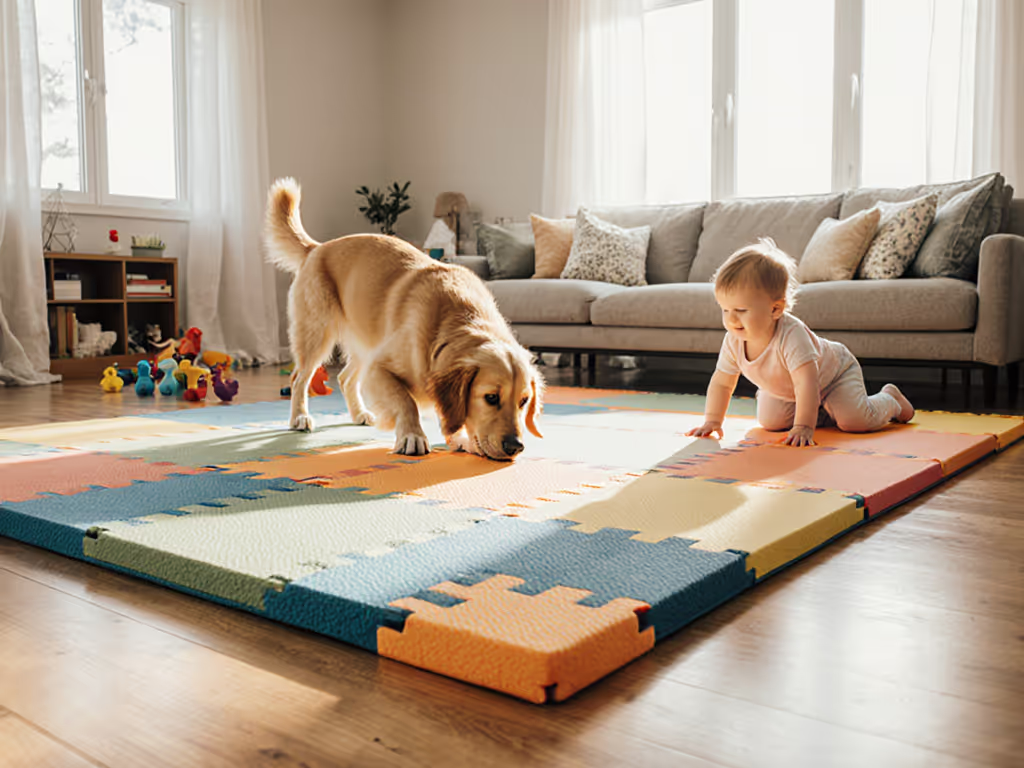
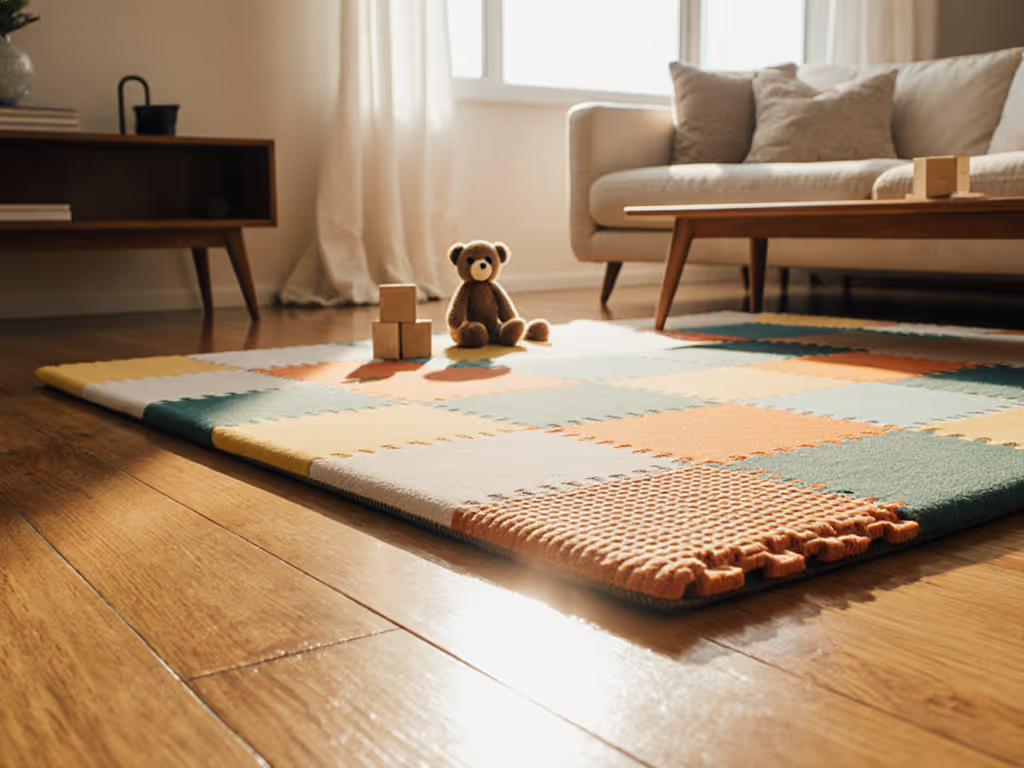
Cons: Seams and edge gaps trap dirt, dust, and crumbs, particularly on hardwood where you can't simply vacuum under a one-piece mat. Edges can curl on hard surfaces. Tiles can separate if baby pulls or if pets roam. Missing or chewed pieces create safety gaps and incomplete coverage.
One-piece mats (memory foam, natural rubber, or solid laminate):
Pros: Seamless underside contacts hardwood uniformly, reducing slip risk. Easy to vacuum or wipe the entire surface in one motion. No edge gaps mean no crumb traps. Cleaner visual line.
Cons: Larger footprint when rolled or folded, so less compact for storage. Harder to customize color. Costlier upfront, and replacing the whole mat if damaged is expensive.
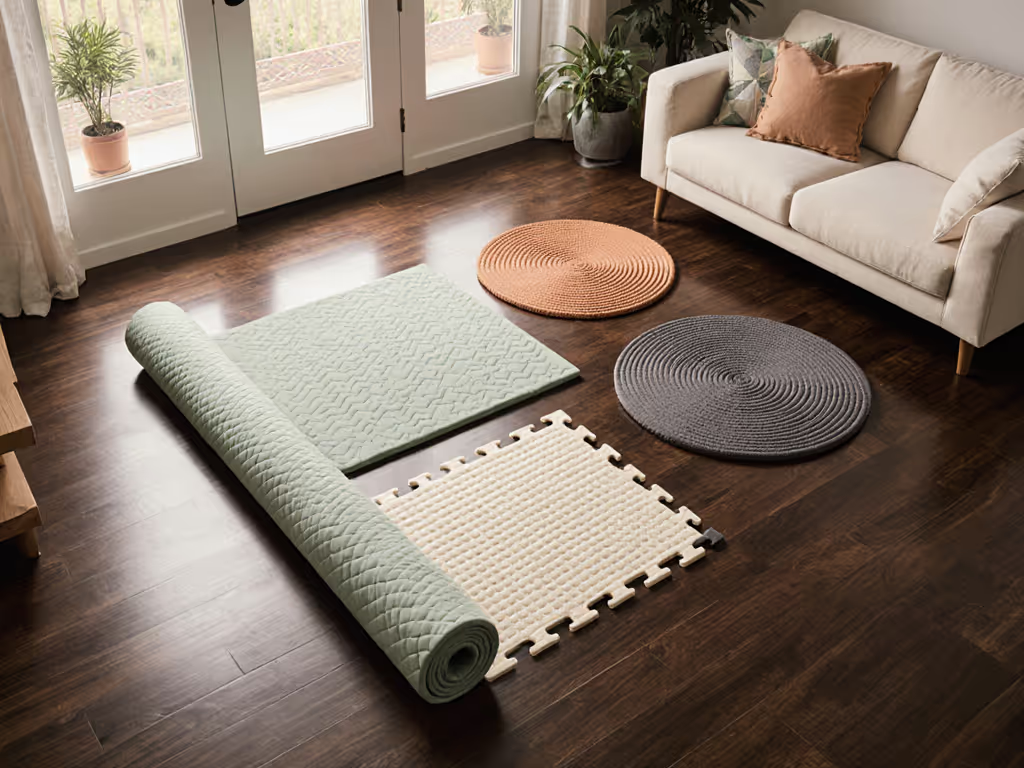
For hardwood specifically: One-piece mats tend to perform better because the continuous underside maintains contact and non-slip properties across the entire floor. Tiles work well in high-traffic areas where durability and modular replacement matter more than seam management.
This is where material literacy intersects with safety. Transparency is a feature, and many brands lack it. For a deeper dive into certifications and composition, see our materials safety guide.
Low-risk materials (third-party tested):
Unknowns and red flags:
The off-gassing reality: I kept a simple odor log when testing mats at home. One supplier shipped a full test report; the mat arrived with minimal scent, and my morning headaches, which I'd attributed to poor sleep, didn't return. The other mat smelled "new" for days. "New" often means residual VOCs off-gassing, especially in sealed rooms like nurseries. Request off-gassing test data (ISO 12219 or similar) if odor is a concern.
Thickness is not just comfort, it's a safety and durability variable.
For impact protection:
Hardwood-specific consideration: Thicker mats distribute weight more evenly, reducing the risk that a mat edge will catch or curl on the hard surface, a trip hazard for mobility. Thin mats (1/4 inch or less) are more prone to edge curl on smooth, hard floors.
Parents worry (rightly) about stains, odors, and hidden mold. Hardwood floors add complexity because you can't mop under the mat, so any spill that seeps to the underside can trap moisture. For step-by-step care by material, bookmark our play mat cleaning guide.
Wipeable tops (most common):
A textured or slightly sealed surface resists spit-up and food stains initially. Most wipe clean with a damp cloth or baby wipe. The catch: texture that resists staining also traps crumbs in its grooves. Test-wiping showed that embossed surfaces needed a soft brush or a cloth with slightly more pressure than a smooth surface.
Waterproof and foldable mats:
Some fold-up play mats claim waterproof backing. In practice, this means spills don't seep to the hardwood if you wipe them quickly. Delay, and moisture can wick around seams.
Machine-washable options:
Rare for large mats (impractical), but some brands offer removable covers or smaller play mats designed for the washer. If washability is a priority, confirm what parts are machine-safe and what the drying time is. Left damp on hardwood, any mat risks warping or encouraging mold.
For hardwood floors: Spot-clean spills immediately, and avoid letting the mat stay wet. Hardwood is sensitive to moisture, so any dampness under the mat can warp the floor over time. Quick-drying or wipeable-only mats are safer choices.
Surprisingly, mats can protect hardwood from scratches if they're designed correctly.
Scratch risk from the mat itself:
Rough, textured undersides can, ironically, scratch if the mat is dragged repeatedly or if the backing material is coarse. Soft rubber or TPU backing is gentler than rough PVC or foam. Ask sellers whether their underside is "soft-touch" or if it's been tested on finished hardwood without damage.
Scratch protection for hardwood:
Mats absorb impacts from toys, furniture edges, and dropped objects, reducing direct impact on the floor beneath. Thicker mats offer more buffer.
The real threat: Puzzle tiles with hard or unfinished edges can scratch hardwood if they shift and a sharp edge contacts the floor. One-piece mats avoid this risk entirely.
Underfloor radiant heating is common in newer homes and apartments. Most modern play mats are compatible, but verification matters. Get detailed testing and picks in our radiant heat-safe mats comparison.
The concern: Thick, dense foam can insulate, slightly reducing heat transfer. In practice, this is negligible unless the mat is over 1 inch thick and the heating system is marginal.
Safe assumption: Any mat made from non-flammable EVA, PVC, or rubber is safe over radiant heat. Avoid mats with unknown foam cores or old polyurethane formulations (which can off-gas when heated). If you have radiant heat, confirm with the seller in writing that the mat is rated safe for it and won't off-gas under elevated temperature.
Standard play mat dimensions:
Most large, one-piece mats measure roughly 7 feet by 4.5 feet (about 30-35 square feet), providing a contained play zone without consuming an entire room. Smaller compact or round mats (55 inches diameter) work for corner play areas or apartments.
Storage footprint:
One-piece mats roll or fold to roughly 30 by 14 by 4 inches when compressed, small enough to fit under a sofa or crib. If storage is tight, explore our play mat storage systems comparison for under-sofa and wall-rack solutions. Puzzle tiles take less space when disassembled but can make it easier to lose pieces and harder to recall how they fit together.
Furniture and equipment compatibility:
Thick mats (3/4 inch or more) may interfere with stroller wheels or the base of some play pens if the mat extends under furniture legs. Confirm fit before purchasing, especially in small spaces.
This audience thinks in price-per-month, not sticker price.
Budget tier ($30-60): Thin foam tiles or fold-up mats. Used well, these last 12-18 months of daily use before compression or surface damage; expect to rebuy.
Mid-tier ($100-200): Thicker one-piece mats or durable tile systems. With care, 24-36 months of use across one or two children.
Premium ($250+): Designer mats with memory foam, advanced non-slip backing, and proven durability. Can last through newborn to early preschool (36-48+ months) and retain resale value.
Transparency metric: Divide the total cost by expected months of use. A $120 mat used for 30 months is $4/month. A $40 mat used for 12 months is $3.33/month, cheaper on paper but it requires replacement hassle and waste. The premium mat often wins on lifecycle cost and satisfaction.
Choose one-piece mats if:
Choose puzzle tiles if:
Choose hybrid solutions (tile-like, one-piece backing) if:
A mat that earns its footprint protects your hardwood, supports development, and brings relief to your home. The research upfront, asking hard questions and reading test reports, pays dividends in peace of mind and a space that feels both safe and yours.